
Food is no longer just about filling our stomachs—it’s about solving global challenges. Climate change, population growth, water shortages, and health concerns are pushing scientists and innovators to rethink the way food is grown, processed, packaged, and consumed. At the heart of this revolution are food science breakthroughs that promise not only better nutrition but also more sustainable and ethical ways of eating.
Picture this: steaks grown without cows, lettuce farms stacked inside skyscrapers, pizza printed by a machine, or hamburgers made from plants that taste just like beef. Imagine grabbing a snack wrapped in packaging you can eat instead of throwing away. These are not science fiction ideas—they are real technologies changing what ends up on our plates.
In this article, we’ll explore five groundbreaking food science innovations that are redefining what it means to eat in the 21st century. Each breakthrough tackles urgent issues like sustainability, health, and accessibility, while also reshaping the way we think about food itself.
1. Lab-Grown Meat: Redefining Protein at Its Source

A Brief History
The dream of growing meat outside of animals has been around for decades. In the 1930s, Winston Churchill even predicted that humans would one day “escape the absurdity of growing a whole chicken just to eat the breast or wing” by cultivating meat directly.
That dream became reality in 2013 when Professor Mark Post of Maastricht University unveiled the first lab-grown hamburger in London. It cost $325,000 to produce and took two years to grow, but it proved something revolutionary: real meat could be cultivated without raising or slaughtering an animal.
Since then, the cost has fallen dramatically. By 2020, the price of a lab-grown burger had dropped to around $50, and dozens of startups around the world are racing to bring cultivated meat to consumers.
How It Works
Lab-grown meat starts with a small sample of animal cells, usually taken through a painless biopsy. These cells are placed in a bioreactor—a machine that acts like an artificial womb.
- Nutrients: The cells are fed with amino acids, sugars, salts, and vitamins.
- Cell Growth: The right conditions allow them to multiply rapidly and form muscle fibers.
- Fat Cells: Scientists can grow fat alongside muscle to create the marbling that gives meat flavor.
- Final Product: After weeks of growth, the result is harvested, processed, and shaped into burgers, nuggets, or even steaks.
The end product is not an imitation—it is real meat, identical at the cellular level to conventional beef, chicken, or pork.
Environmental Impact
Livestock farming is one of the biggest drivers of climate change. Lab-grown meat could drastically cut that footprint:
- 90% fewer greenhouse gas emissions compared to cattle farming.
- 99% less land use, which could prevent deforestation and habitat loss.
- 70% less water use, saving billions of liters in a world facing droughts.
By removing the need for vast herds of animals, cultivated meat has the potential to free up land for reforestation, carbon capture, or even other crops.
Real-World Examples
Several companies are already making headlines with cultivated meat:
- Upside Foods (U.S.): Received FDA approval in 2023 to sell cultivated chicken. Some restaurants in California are already serving it.
- Eat Just (Singapore): In 2020, it became the first company in the world to sell lab-grown chicken nuggets in restaurants.
- Aleph Farms (Israel): Specializes in whole cuts of cultured beef, including ribeye steaks with realistic texture.
- Mosa Meat (Netherlands): Founded by Mark Post, it continues to lead innovation in reducing costs and scaling production.
Governments are also showing interest. Singapore has become a global leader in regulating and approving lab-grown meat, while the U.S. and Israel are investing heavily in research.
Despite its promise, cultivated meat still faces major hurdles:
- Cost: Prices are dropping but remain higher than conventional meat.
- Scaling: Producing small samples is easy; feeding millions requires massive industrial-scale bioreactors.
- Public Perception: Some consumers are still skeptical of “lab food,” even though it is real meat.
- Regulation: Countries vary widely in how quickly they approve new foods.
- What goes into it: With it not being natural, concerns arise that grown meat could impact people on a cellular and microbial level
The Future
Experts predict that within 10–15 years, cultivated meat could reach supermarkets at competitive prices. If successful, it could:
- Transform global agriculture.
- Reduce animal slaughter dramatically.
- Cut down on carbon emissions.
- Provide secure protein sources for a growing global population.
Some scientists even see lab-grown meat as the future of space food. NASA and private companies are already exploring whether cultivated meat could sustain astronauts on long missions to Mars or beyond.
2. Vertical Farming: Growing Food in Skyscrapers
From Soil to Skyscrapers
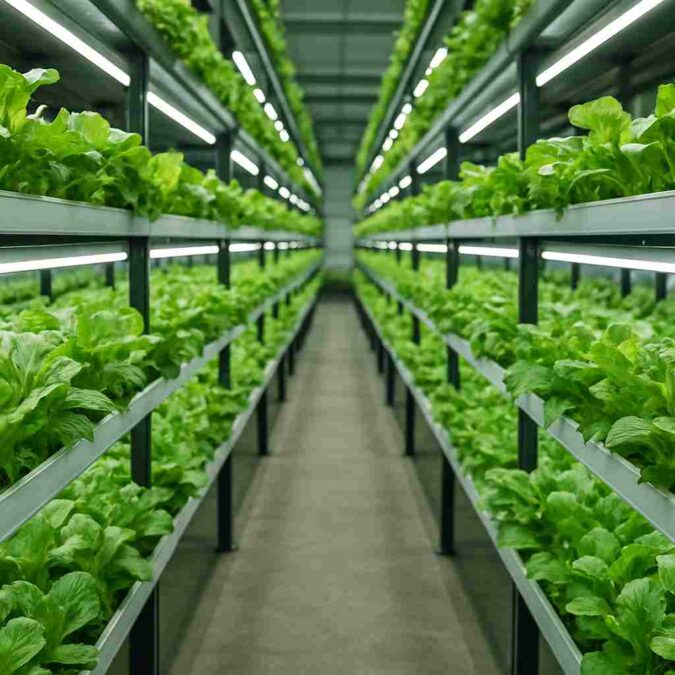
Traditional agriculture depends on seasons, soil quality, and climate. But with urban populations exploding and farmland shrinking, scientists needed alternatives. Vertical farming was born out of this challenge—a method where food grows upwards instead of outwards.
How It Works
- Hydroponics: Plants grow in nutrient-rich water without soil.
- Aeroponics: Roots hang in the air and are sprayed with nutrient mist.
- LED lighting: Mimics sunlight to power photosynthesis.
- AI and IoT sensors: Monitor humidity, light, and nutrients automatically.
Benefits
- 95% less water use compared to soil farming.
- No pesticides, since crops grow in controlled indoor environments.
- Year-round production, unaffected by climate or weather.
- Urban supply chains, reducing transportation emissions.
Real-World Examples
- AeroFarms (USA): Produces leafy greens with 390 times the productivity of traditional farms.
- Spread (Japan): Operates robotic lettuce farms producing 30,000 heads per day.
- Plenty (USA): Uses AI to maximize crop yield inside vertical farms.
Challenges
- High energy costs for artificial lighting.
- Crop limitations: Works best for leafy greens, herbs, and small fruits.
- Economic scaling: Requires significant investment to compete with traditional farms.
The Future
As renewable energy costs drop and LED efficiency improves, vertical farming could become a backbone of city-based food systems. Imagine skyscrapers filled with fresh vegetables just blocks from your dinner table.
👉 Vertical farming represents not just a new farming method, but a fundamental shift in how and where food is produced.
3. 3D-Printed Food: Custom Meals from a Machine
The Concept
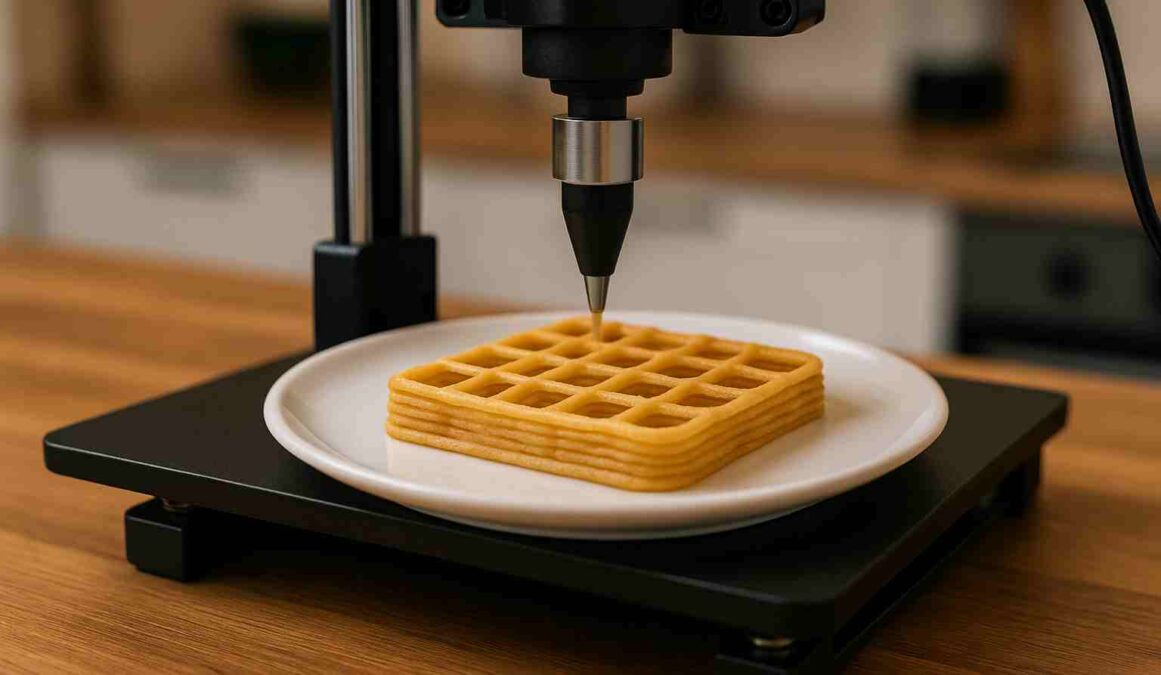
3D printing has transformed industries from medicine to engineering. Now, food scientists are using the same principle to create meals. Instead of metal or plastic, food printers use dough, chocolate, vegetable purée, or even meat paste.
How It Works
A 3D food printer loads edible materials into cartridges, then “prints” them layer by layer. Designs can be programmed digitally, allowing precise shapes, textures, and nutritional profiles.
Benefits
- Personalized nutrition: Meals tailored to an individual’s calorie or vitamin needs—ideal for hospitals, elderly care, and athletes.
- Creativity: Chefs can produce intricate designs impossible by hand.
- Space exploration: NASA is developing pizza printers for astronauts on Mars missions.
Real-World Examples
- Foodini (Spain): A printer for gourmet restaurants.
- byFlow (Netherlands): Produces artistic desserts and pastries.
- NASA project: Printing food for long-duration space travel.
Challenges
- Cost: Machines remain expensive.
- Time: Printing meals can be slower than cooking.
- Taste: Requires additional cooking after printing.
The Future
3D printing may not replace your oven, but it could supplement it. In hospitals, schools, or space missions, it offers unmatched precision and convenience.
👉 With 3D food printing, the future of dining could be as customizable as streaming your favorite playlist.
4. Plant-Based Alternatives: Reinventing Meat and Dairy
A Growing Movement
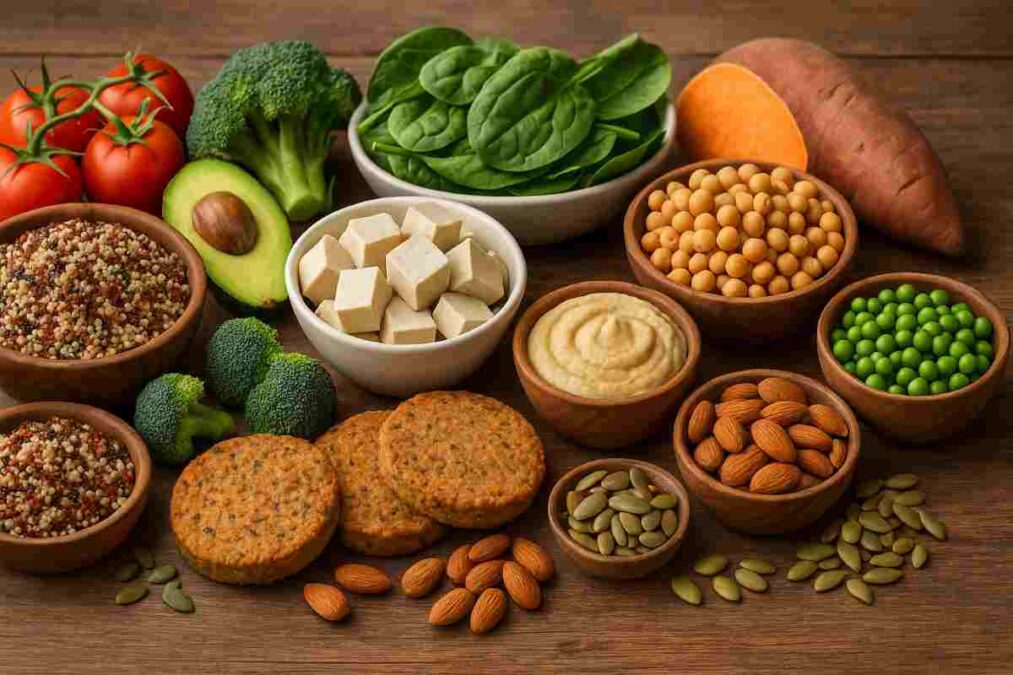
Plant-based eating isn’t new, but science has revolutionized it. Instead of plain tofu, companies now use cutting-edge molecular research to mimic the taste, aroma, and texture of meat and dairy.
How It Works
- Proteins: From soy, peas, wheat, or oats.
- Fats: Coconut oil or sunflower oil mimic animal fat.
- Flavor molecules: Heme (in Impossible Foods) gives burgers their “meaty” taste.
Benefits
- Healthier diets: Lower cholesterol and saturated fat.
- Eco-friendly: Produces up to 90% less carbon emissions than beef.
- Consumer choice: Offers options for vegans, vegetarians, and flexitarians.
Real-World Examples
- Impossible Foods: Plant-based beef with heme for authentic flavor.
- Beyond Meat: Sausages, nuggets, and burgers available in fast-food chains.
- Oatly: Popular oat-based milk alternative.
Challenges
- Processing: Some products are heavily processed.
- Cost: Plant-based options are often pricier than conventional meat.
- Cultural acceptance: Meat remains central to many cuisines and traditions.
The Future
As technology advances, plant-based foods are becoming cheaper, healthier, and more realistic. By 2030, experts predict the plant-based industry could reach $160 billion.
👉 Plant-based alternatives are no longer niche—they’re reshaping the global food economy.
5. Edible Packaging: Eating the Wrapper Too

The Problem with Plastic
The world produces over 300 million tons of plastic each year, and food packaging is a major contributor. Much of it ends up polluting oceans and harming wildlife. Scientists asked: what if packaging could be eaten instead of thrown away?
How It Works
- Seaweed-based films: Dissolve in water or can be eaten directly.
- Milk protein wrappers: Derived from casein, they protect food and are biodegradable.
- Rice and starch films: Used in candies and snacks.
Benefits
- Eco-friendly: Reduces plastic pollution dramatically.
- Convenience: Some wrappers double as food.
- Nutrition: Packaging can add vitamins or flavors.
Real-World Examples
- Ooho! (UK): Seaweed-based capsules for water and juices.
- Lactips (France): Casein-based dissolvable packaging.
- Indonesian startups: Creating biodegradable coffee sachets from seaweed.
Challenges
- Shelf life: Edible packaging is less durable than plastic.
- Scaling up: Production remains limited.
- Consumer habits: People need time to adjust to eating packaging.
The Future
With growing global bans on single-use plastics, edible packaging may soon become mainstream. Imagine grabbing a sports drink and swallowing the capsule—no trash, no guilt.
👉 Edible packaging is proof that food science can tackle both nutrition and pollution at once.
Why These Breakthroughs Matter
Together, these five breakthroughs are reshaping food from the ground up. They address three global challenges at once:
- Sustainability: Reducing carbon emissions, water use, and plastic waste.
- Health: Providing personalized, nutritious, and ethical diets.
- Food security: Feeding nearly 10 billion people by 2050.
These innovations don’t erase tradition—they build upon it. Families will still gather for meals, but the sources, flavors, and even the packaging may look radically different.
FAQs
Q1: What is food science innovation?
It’s the use of science and technology to improve how food is produced, processed, packaged, and consumed. Examples include lab-grown meat, vertical farming, plant-based proteins, and edible packaging. The goal is to make food healthier, more sustainable, and accessible for a growing population.
Q2: Is lab-grown meat vegetarian?
No. Lab-grown meat is real meat grown from animal cells, so it isn’t vegetarian. However, it avoids animal slaughter and could appeal to people who want ethical meat without factory farming.
Q3: Will plant-based food replace traditional meat?
Not completely, but it will take a bigger share of the global market. By 2030, plant-based products could be worth over $160 billion. Most experts expect a mix of traditional meat, plant-based, and lab-grown protein in future diets.
Q4: Can vertical farms feed entire cities?
Yes, but mostly with leafy greens, herbs, and some vegetables. Grains and fruits still rely on traditional farming for now. Many cities, like Singapore, already use vertical farms to strengthen local food security.
Q5: Is edible packaging safe?
Yes. It’s made from natural ingredients such as seaweed, rice starch, or milk proteins, and tested by regulators. Some even add extra flavor or nutrients, though shelf life is shorter than plastic.
Q6: How soon will lab-grown meat be in supermarkets?
Probably within the next 10–15 years as costs keep falling and approvals spread. Singapore and the U.S. are already selling it in limited restaurants, and wider distribution is coming.
Q7: Are plant-based alternatives healthy?
Many are healthier than meat because they contain less cholesterol and saturated fat. But some are highly processed and high in sodium. Whole-food plant options like beans and lentils are the best choices.
Q8: Will food science innovations affect farmers?
Yes. Livestock demand may decline, but new opportunities will appear in supplying crops for plant proteins or lab-grown meat nutrients. With support, farmers can adapt and even benefit from these changes.
Q9: How does 3D-printed food help in healthcare?
It’s used to make attractive meals for patients who struggle with swallowing. 3D printers can shape pureed food to look like regular meals, improving both nutrition and dignity. In the future, meals could even be personalized to each patient’s exact nutrient needs.
Q10: Which breakthrough will have the biggest impact?
Plant-based proteins and lab-grown meat are likely to change diets the most. Vertical farming will secure fresh food for cities, and edible packaging could fight plastic waste. Each innovation plays a different role in shaping the future of food.
The Future of Eating
The five food science breakthroughs—lab-grown meat, vertical farming, 3D-printed meals, plant-based alternatives, and edible packaging—are not distant ideas. They are here now, shaping how humanity eats and paving the way for a sustainable, healthier future.
The way forward is clear: our plates will hold more science than ever before. But instead of replacing tradition, food innovation will enhance it—giving us meals that are not only delicious but also sustainable, ethical, and future-ready. Farmers, chefs, scientists, and consumers are all part of this transformation, showing that food can honor culture while embracing progress.
The question is no longer if these technologies will change how we eat—it’s when. And that future is already arriving faster than most of us realise. What once belonged to science fiction is quickly becoming everyday reality, and the choices we make today will decide how nourishing, fair, and sustainable tomorrow’s meals will be.
Please feel free to comment below and be sure to read the best global fashion


Reader discussion
Join the conversation