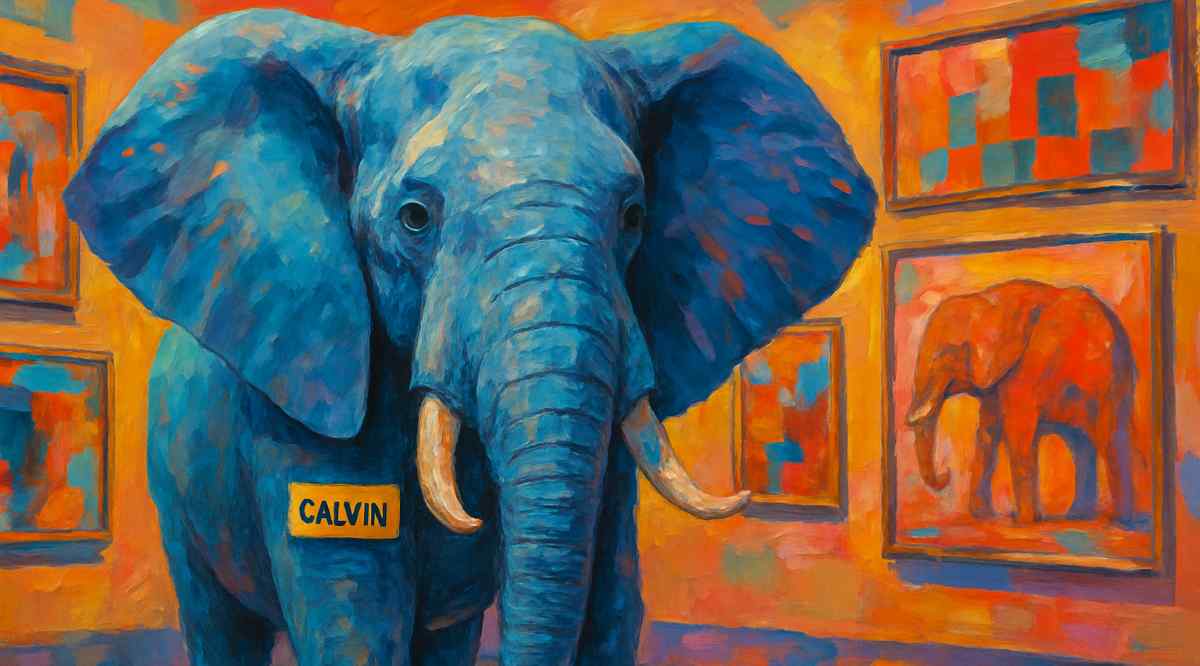
Cape Town Art Scene Is Quietly Becoming the Worlds New Obsession
There’s a whisper going around the global art world — the Cape Town art scene is no longer a secret. Once overshadowed by the glamour of New York, London or Berlin, Cape Town is now being quietly elevated into conversations about where art is going next. And people are paying attention.
Walking through the V&A Waterfront toward the Silo District, you sense the change. The hulking grain-silo turned museum, Zeitz MOCAA, anchors a precinct that pulses with creativity, exhibitions, galleries, and a renewed cultural energy. What was once an afterthought on international art maps is becoming a destination in its own right.
From Local Streets to Global Stages
What makes this moment so compelling is how organically it’s unfolding. The Cape Town art scene isn’t being thrust forward by gimmicks, but by artists whose work speaks — through installations, photography, performance, mixed media — to local histories and global futures.
Galleries like Goodman Gallery (with a Cape Town branch) are straddling both local and international worlds. And institutions like Zeitz MOCAA (the Zeitz Museum of Contemporary Art Africa) now serve as hubs not just for display but for dialogue, education, and exchange.
Under the late curator Koyo Kouoh, Zeitz MOCAA pushed further into Pan-African narratives and foregrounded underrepresented voices — a bold mission that resonated globally. Even as the art world oscillates across continents, Cape Town’s perspective is holding weight.
Why The Cape Town Art Scene? What Sets It Apart
1. A Unique Landscape & Cultural Palimpsest
Cape Town’s geography — the mountain, sea, shifting light — gives artists a natural palette many envy. But more than scenery, the convergence of histories, languages, and communities yields rich material for artistic exploration.
2. Strong Institutions & Galleries
It’s not just talent; it’s infrastructure. Zeitz MOCAA now claims space for major exhibitions, residencies, education initiatives, and a rooftop sculpture garden. Galleries like Goodman, Stevenson, Southern Guild, Everard Read, and Gallery MoMo form a network of support, both commercial and curatorial.
3. More Affordable Experimentation
Compared to global art capitals, Cape Town offers relatively lower costs for space, production, and risk-taking. That gives emerging creatives a chance to push boundaries in ways other cities often squeeze out.
4. Authentic Stories with Global Resonance
Art that is deeply rooted in place often travels further. Works that confront identity, memory, inequality, climate — local in origin — have universal reverberations. If the Cape Town art scene captures that balance, its pull will grow stronger.
The Faces of the Movement
One name rising with impact is Gerald Machona, whose multimedia work deconstructs migration, economics and identity using repurposed materials. He’s shown internationally while being rooted in South African experience.
Behind many galleries, too, are visionary operators. For instance, Liza Essers has steered Goodman Gallery’s expansion to Cape Town (and beyond), aligning it with both activism and market culture.
Tension in the Spotlight
This surge isn’t without risks or critiques.
- Local access vs global attention: Will Cape Town’s ordinary people see and feel the art, or will it be confined to elite circles?
- Export mindset: Artists may lean too heavily into what international buyers want, losing connection to place.
- Funding & policy gaps: Public and private support is still inconsistent.
- Maintaining integrity: As attention and capital flood in, the pressure increases to commercialise over experiment.
What This Means for South Africa
If the Cape Town art scene continues to grow its reputation, the ripple effects matter. It can attract global residencies, encourage cultural tourism, stimulate creative economies, and shift how South Africans see their own stories — beyond stereotypes.
But just as importantly: it can reclaim narratives, placing African voices not as subjects but as protagonists in contemporary art.
What your thoughts on this? Let us know below and be sure to read, Trending Cape Town Restaurants 2025: Why These 3 Spots Are Making Waves, if you missed it.
Frequently Asked Questions About the Cape Town Art Scene
Why is the Cape Town art scene attracting attention?
It blends African heritage with global contemporary styles supported by strong galleries.
Which galleries define the Cape Town art scene?
Zeitz MOCAA, Goodman Gallery, Stevenson Gallery, and Norval Foundation are leading.
What makes the Cape Town art scene unique?
Its mix of cultural diversity natural beauty and powerful storytelling through art.
What challenges does the Cape Town art scene face?
Accessibility, funding, and ensuring local communities benefit alongside global success.
Can the Cape Town art scene rival global cities?
Yes, with authenticity and rising international recognition it is becoming a global hub.
Reader discussion
Join the conversation