
As South Africa’s urban environments continue to grow, so do encounters with the country’s most venomous snakes. These reptiles are adapting surprisingly well to city life, from the well-manicured suburbs of Johannesburg to the leafy slopes of Cape Town and the coastal sprawl of Durban. While many people assume that snakes are strictly rural threats, snakebite incidents and sightings within major cities are becoming increasingly common.
The most dangerous snakes in South Africa’s 3 major cities are outlined in this article — Johannesburg, Durban, and Cape Town — and offers vital tips on how to stay safe when urban wildlife slithers too close for comfort.
Johannesburg & Pretoria (Gauteng)
Despite being far from any jungle or savannah, Johannesburg and Pretoria experience regular snake encounters — especially in residential areas bordering veld or grassland.
Most dangerous snakes in Gauteng:
- Puff Adder (Bitis arietans): Responsible for the highest number of serious bites. Often found sunbathing on paths, hiding in garden beds, or resting in parks.
- Cape Cobra (Naja nivea): Occasionally found on the outskirts of Pretoria, especially in drier zones. Its venom attacks the nervous system.
- Rinkhals (Hemachatus haemachatus): Often seen in suburban gardens. Known for its dramatic behaviour — playing dead and spitting venom.
- Mozambique Spitting Cobra (Naja mossambica): Present in densely vegetated gardens, capable of spitting venom with precision.
- Black Mamba (Dendroaspis polylepis): Rare in urban centres but can be found near reserves or undeveloped land on city edges.
- Boomslang (Dispholidus typus): Tree-dwelling and shy, but potentially deadly. More common in older leafy suburbs.
🎥 Watch: SOUTH AFRICA’S LONGEST COBRA: Snake Callout Adventure
Durban (KwaZulu-Natal)
With its subtropical climate and rich vegetation, Durban is a hotspot for venomous snakes — often quite literally in your backyard.
Venomous snakes commonly found in Durban:
- Mozambique Spitting Cobra: The most encountered snake in the city. Common in gardens and even inside homes.
- Puff Adder: Found on grassy verges and open ground in residential areas.
- Black Mamba: More likely in outer suburbs near natural reserves. Can move fast and deliver multiple fatal bites.
- Rinkhals: Present in outlying areas; known to feign death and spit venom.
- Boomslang: Not common but still present in forested zones.
🎥 Watch: The Deadly Dozen – Boomslang
🎥 Watch: Black Mamba holds up woman in her Umhlanga home
Cape Town (Western Cape)
Despite its cooler winters, Cape Town has one of the highest snakebite fatality rates due to the deadly Cape cobra.
Most dangerous snakes in Cape Town:
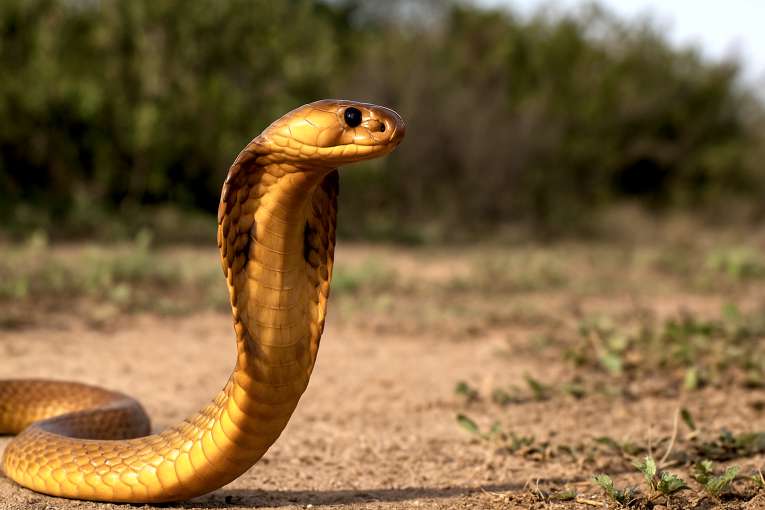
- Cape Cobra: Extremely venomous and very common. Found in fynbos, backyards, and even urban schools or offices.
- Puff Adder: Often found in compost heaps and rodent-infested areas.
- Boomslang: Dangerous, though rare to bite. Well camouflaged in leafy suburbs.
- Rinkhals: Sometimes seen in outer areas like Stellenbosch or Somerset West.
- Mozambique Spitting Cobra: Rare due to the region’s drier climate.
- Black Mamba: Not found in the Western Cape.
🎥 Watch: Deadly PUFF ADDER in the city!
🎥 Watch: Deadly Cape Cobra Terrorizes Neighbourhood!
City-by-City Summary
- Johannesburg & Pretoria: Puff adders and rinkhals are common, with occasional cobras and rare mambas.
- Durban: Spitting cobras dominate, followed by puff adders and rare mamba sightings.
- Cape Town: Cape cobras top the list, followed by puff adders and occasional boomslangs.
General Snake Safety Tips for City Residents
- Avoid surprises: Stick to pathways, avoid walking through long grass, and wear closed shoes.
- Prevent intrusions: Keep gardens neat, trim overgrown areas, and store firewood and compost properly.
- Act wisely: Never try to capture or kill a snake. Back away slowly and call a professional.
- Medical emergencies: For bites, apply a pressure bandage (not for mambas), immobilise the limb, and get to a hospital. If venom enters the eyes, flush for 15 minutes.
🎥 Watch: How To Bucket a Venomous Snake
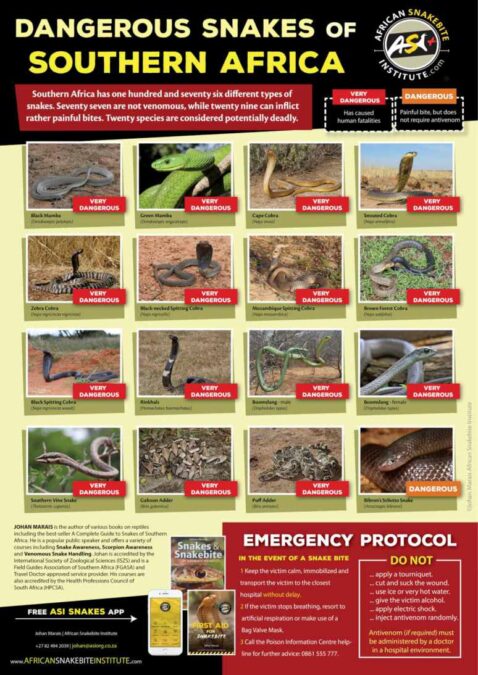
For expert guidance and emergency assistance, download the African Snakebite Institute App or contact CapeNature if you’re in the Western Cape.

Reader discussion
Join the conversation