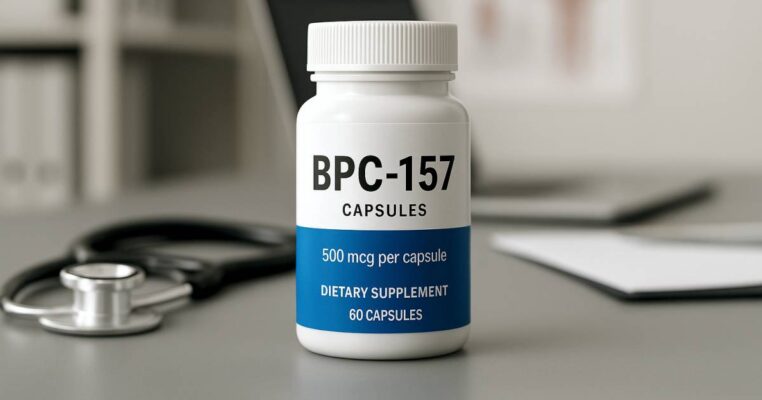
Gut health treatments are undergoing a quiet revolution, and at the centre of it is a compound gaining increasing attention — BPC-157 oral. Once limited to biohacking communities, this synthetic peptide is now being explored for its potential in treating a range of digestive conditions, including leaky gut, Crohn’s disease, and gastric ulcers. As more patients seek alternatives to traditional medications with harsh side effects, the spotlight is turning to BPC-157 oral gut health protocols that may offer healing from within — without the systemic toll of conventional drugs.
What Is BPC-157 and How Does It Work?
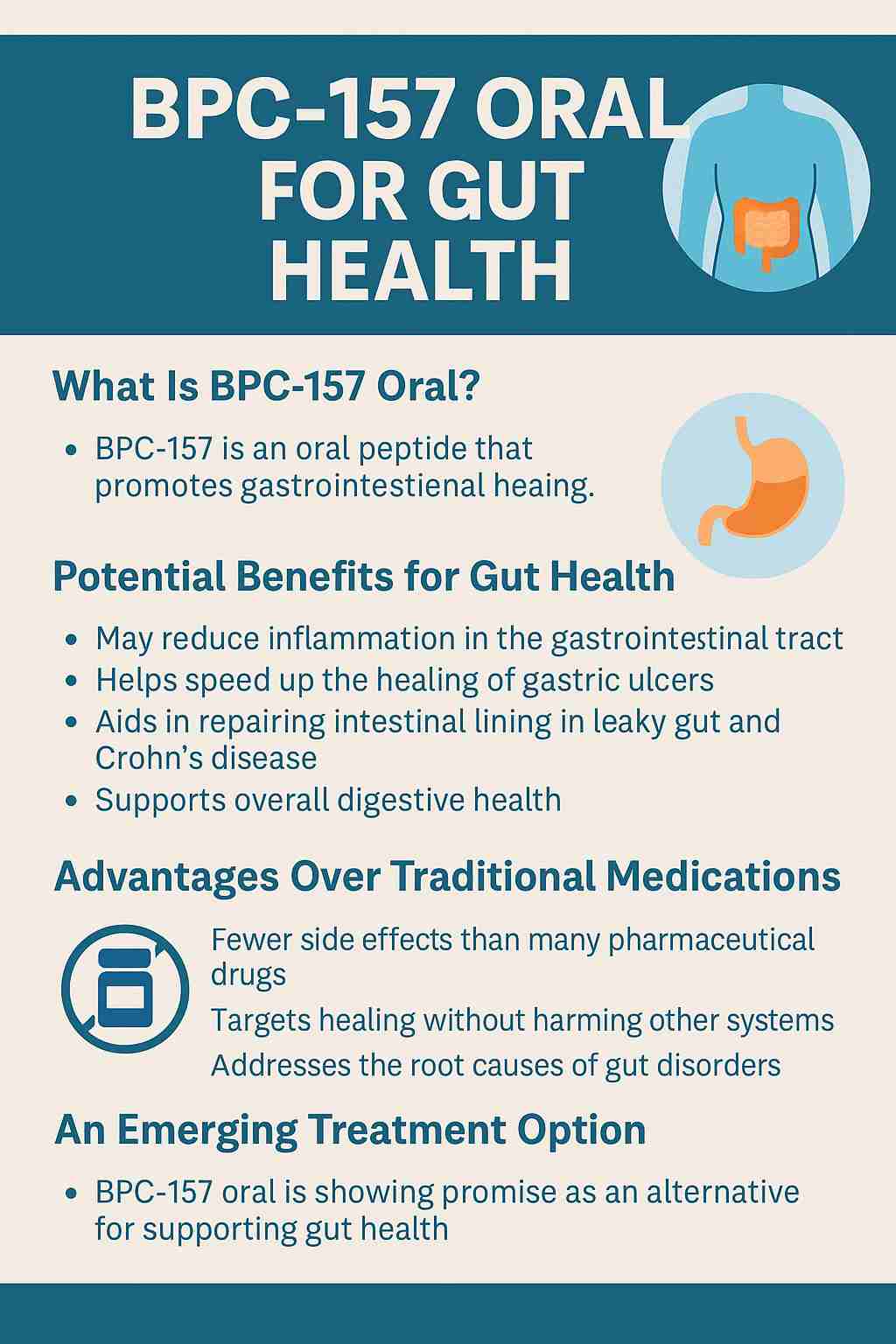
BPC-157 (Body Protection Compound-157) is a synthetic peptide derived from a naturally occurring protein in human gastric juice. It’s known for its regenerative properties, particularly in the gastrointestinal tract. Preclinical studies have shown that BPC-157 promotes angiogenesis (the formation of new blood vessels), supports tissue repair, and reduces inflammation, all key functions when healing a damaged gut lining.
Unlike other peptides that require injection, BPC-157 in oral formis designed to survive stomach acid and remain active, making it accessible and convenient for those looking for gut-targeted therapy.
Comparing BPC-157 Oral to Traditional Gut Medications
While traditional gut medications like PPIs (proton pump inhibitors), corticosteroids, and immunosuppressants are widely prescribed, they often come with long-term risks and systemic side effects.
| Condition | Traditional Medications | Limitations | BPC-157 Potential Benefits |
|---|---|---|---|
| Leaky Gut | Corticosteroids, immune modulators | Suppresses immune system, temporary relief | Promotes gut lining regeneration |
| Crohn’s Disease | Biologics (e.g., infliximab), azathioprine | Infection risk, high cost, liver toxicity | Anti-inflammatory and mucosal healing |
| Gastric Ulcers | PPIs, H2 blockers | Impairs nutrient absorption, kidney strain | Accelerates ulcer healing and protection |
This contrast explains why BPC-157 oral gut health solutions are being investigated more seriously, not to replace medicine, but to offer a safer and more targeted approach.
What the Research Says About BPC-157 Oral Gut Health
Multiple animal studies and preclinical trials have demonstrated BPC-157’s ability to:
- Heal gastric ulcers and protect against NSAID-induced lesions.
- Reduce intestinal inflammation.
- Repair intestinal permeability (a hallmark of leaky gut).
- Restore gut barrier function after injury or infection.
For example, one rodent study published in Current Pharmaceutical Design found that BPC-157 protected against lesions in both the stomach and intestines, even in the presence of harsh NSAIDs like diclofenac. Another study noted its ability to counteract inflammatory cytokines involved in gut damage.
However, while these results are promising, it’s important to note that human clinical trials are still lacking. The vast majority of data comes from controlled animal environments.
Is Oral BPC-157 Effective and Safe?
One of the most discussed aspects of BPC-157 is its bioavailability when taken orally. Studies indicate that the compound resists enzymatic breakdown in the gut and retains biological activity — meaning the oral form could potentially act locally in the digestive tract, exactly where it’s needed.
Reported side effects in animal studies are minimal, and anecdotal user reports often mention improved digestion, reduced bloating, and even relief from chronic inflammatory bowel symptoms. However, without formal human trials, long-term safety cannot be guaranteed.
Why Some Are Turning to BPC-157 Oral for Gut Health
As awareness spreads, people with chronic digestive disorders are turning to BPC-157 as an off-label, alternative treatment. This includes:
- Biohackers seeking improved gut integrity.
- Athletes dealing with inflammation from NSAID use.
- Patients with Crohn’s or ulcerative colitis hoping for symptom relief without immunosuppressants.
The appeal of BPC-157 oral gut health solutions lies in their potential to treat the source — repairing gut tissue rather than simply suppressing symptoms.
Legal Status and Medical Considerations
Currently, BPC-157 is not approved as a drug by the FDA, EMA, or SAHPRA. It’s commonly sold as a “research chemical” or peptide supplement, with no standardised manufacturing practices or dosages. This raises concerns about purity, consistency, and labelling.
While early evidence is promising, individuals should not self-medicate without consulting a healthcare professional. Using BPC-157 outside of regulated studies is considered experimental.
The Future of BPC-157 Oral Gut Health Treatments
The science surrounding BPC-157 oral gut health is compelling, but still early. While traditional medications remain the first line of treatment, especially for serious inflammatory conditions, BPC-157 may represent a powerful future tool in gut healing.
Its ability to potentially repair the gut lining, reduce inflammation, and accelerate healing makes it an exciting candidate for those suffering from leaky gut, Crohn’s, and ulcer-related conditions. But until more robust clinical data emerges, it’s best approached with curiosity, caution, and clinical guidance.
Frequently Asked Questions About BPC-157 Oral Gut Health
What is BPC-157 oral, and how does it support gut health?
BPC-157 oral is a synthetic peptide designed to survive digestion and promote gastrointestinal healing. Research suggests it may help regenerate the gut lining, reduce inflammation, and support recovery from conditions like leaky gut, Crohn’s disease, and ulcers — making it a growing topic in gut health treatment discussions.
Is BPC-157 oral better than traditional medications for gut issues?
Traditional medications often manage symptoms or suppress the immune system. In contrast, BPC-157 oral gut health protocols aim to heal the actual tissue lining the gut. While early evidence is promising, more human studies are needed to confirm it as a long-term replacement.
Is BPC-157 oral safe to use?
Animal studies suggest BPC-157 has a high safety profile, with few side effects. However, as it’s not approved by major health authorities and lacks large-scale human trials, its use should be approached with caution — ideally under the guidance of a knowledgeable healthcare provider.
Can BPC-157 oral help with leaky gut and Crohn’s disease?
Preclinical studies indicate that BPC-157 oral gut health applications may help reduce gut inflammation, repair the intestinal lining, and support overall digestive recovery. While some people report symptom relief, it should not replace prescribed medical treatments without clinical supervision.
Be sure to read, Revolutionary AI Tools Changing the Game for South African Workers in 2025, if you missed it


Reader discussion
Join the conversation