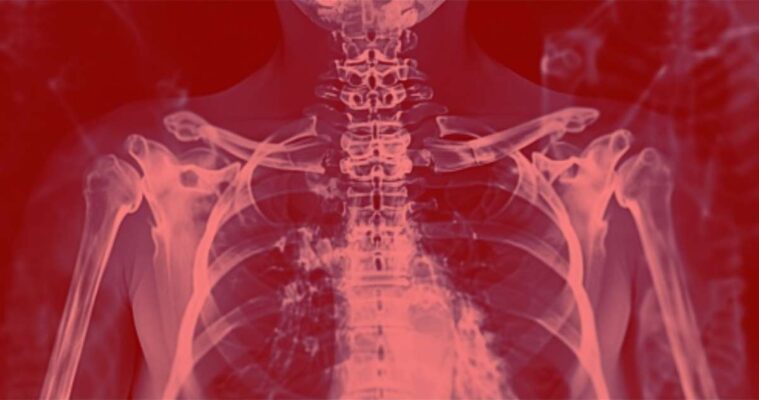
As radiography faces a new era of automation and innovation, a pressing question has emerged across South African hospitals and beyond: Will radiographers be replaced by artificial intelligence, or will they be reinvented?
The short answer? Reinvention, not replacement. AI is changing healthcare rapidly—but it’s also empowering those in the field of radiography in unexpected ways.
AI in Hospitals: Speed Meets Radiographic Precision
A recent study on arXiv.org shows how AI is already being deployed to analyse CT scans and X-rays faster than human professionals. In time-sensitive environments like trauma units, where radiographic imaging plays a life-saving role, this can speed up diagnoses of fractures, chest conditions, or internal bleeding.
Add to that TIME Magazine’s recent feature, and it becomes evident: AI in radiography is not a distant concept. It’s already here—and evolving fast.
AI can now:
- Triage emergency scans automatically
- Predict patient outcomes
- Flag complications in real-time
Real-World Application in Action
The American Journal of Roentgenology (AJR) recently shared a compelling video showing AI’s real-life use in radiography. It’s one of many examples confirming that AI is not just theoretical—it’s being adopted in clinical practice.
Why Radiographers Remain Essential in South Africa?
Let’s get one thing straight—machines don’t replace experience, context, or empathy. Here’s why radiographers aren’t going anywhere:
Let’s be clear: AI doesn’t replace human judgement, empathy, or accountability—especially in radiography.
1. AI Needs Human Oversight
AI may detect patterns, but it cannot:
- Understand patient history
- Navigate rare or complex cases
- Handle poor-quality or misaligned scans
That’s why radiographers still validate AI outputs—and provide critical clinical context.
2. Accountability Still Rests on Professionals
If AI misinterprets a scan, legal and ethical responsibility still falls on humans. Patients expect real people, not machines, to handle their diagnoses and care.
3. Experience Outweighs Algorithms
Some cases defy automation:
- Post-surgical complications
- Overlapping fractures
- Rare anomalies in anatomy
This is where human experience in radiography still leads the way.
The Emergence of the AI-Enhanced Radiographer
Rather than removing radiographers from the equation, AI is creating a hybrid role—one where radiographers collaborate with technology for better outcomes.
| Old Role | Emerging Role |
|---|---|
| Scan, label, send | Scan, interpret AI insights, advise doctors |
| Limited patient involvement | Active role in patient pathways |
| Manual triage of images | AI-assisted triage with faster alerts |
This evolution means fewer missed diagnoses, quicker decisions, and better care.
Radiography in South Africa: Big Challenges, Bigger Potential
In a country facing:
- Public sector backlogs
- Rural healthcare gaps
- Staff shortages
AI presents an opportunity to support overburdened radiography departments and improve access to timely care.
But we must proceed with strategy. Upskilling radiographers to understand and work alongside AI is not optional—it’s essential. The tech is powerful, but human knowledge and compassion remain irreplaceable.
A Future Where Human + AI Win Together
Nobody wants to fly with no pilot—nor should we trust a diagnosis without a human expert. Radiography is evolving, but people will always be at the core.
So, if you’re a young South African considering a career in radiography, here’s the truth:
The job isn’t going away. It’s just getting smarter.
As global trends continue to influence local healthcare, it’s worth noting that radiography is among the medical fields most likely to benefit from AI-driven transformation. From academic training to public hospital deployment, the integration of artificial intelligence can elevate radiographers’ efficiency and diagnostic confidence—especially in under-resourced regions. With the right national strategy, South Africa could lead in using AI to bridge healthcare gaps, not widen them.
For more South African healthcare tech updates, check out our Medical News section.



Reader discussion
Join the conversation